Eat Well, See Well: Foods That Support Healthy Eyes as You Age
We often think about eating well for our heart, energy levels and overall wellbeing—but our eyes need good nutrition too.
As we get older, it is normal to notice changes in our vision. Reading small print may become more difficult, colours can appear less vivid and our eyes may feel drier or more sensitive than they once did.
Although no single food can guarantee perfect eyesight or prevent every eye condition, a varied and balanced diet can provide the nutrients your body needs to support healthy eyes.
For Kiwis, looking after your vision can begin with something as simple as adding more colour and variety to your weekly grocery shop.
Why Nutrition Matters for Your Eyes
Your eyes work continuously throughout the day and are exposed to light, environmental conditions and the natural effects of ageing.
Eating well cannot cure cataracts, glaucoma or age-related macular degeneration. However, a healthy diet can support your overall wellbeing and help reduce the risk of conditions such as diabetes and high blood pressure, which can also affect your eyes and vision.
Rather than searching for one miracle ingredient, aim to eat a balanced combination of vegetables, fruit, whole grains, healthy fats and protein-rich foods.
Add More Colour to Your Plate
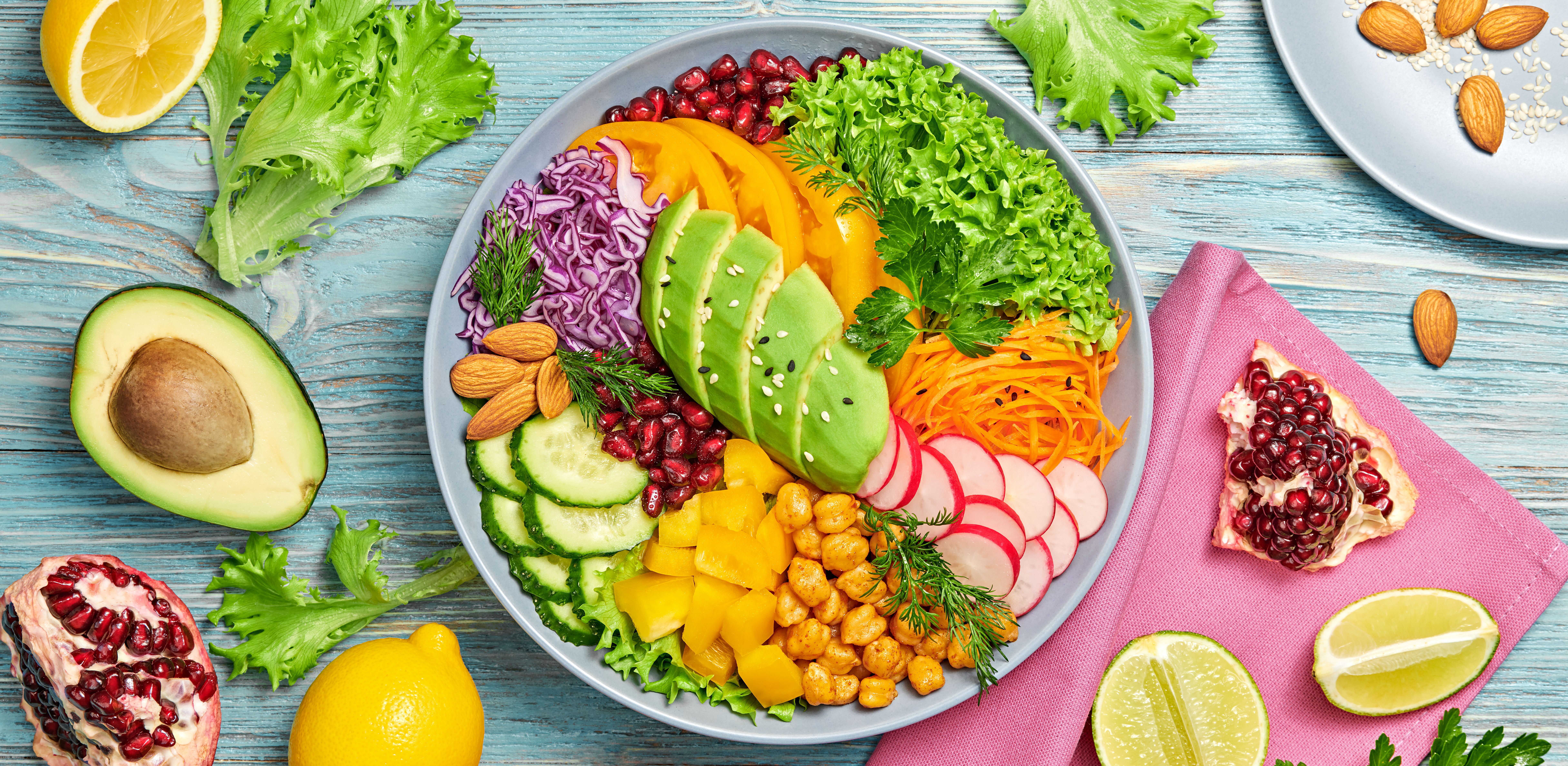
One of the easiest ways to improve the variety in your diet is to choose fruit and vegetables in several different colours.
Different colours often contain different vitamins, minerals and naturally occurring plant compounds. Healthify recommends eating a wide range of colourful fruit and vegetables to help provide a variety of nutrients.
Here are some eye-friendly foods to add to your meals.
Dark-Green Vegetables
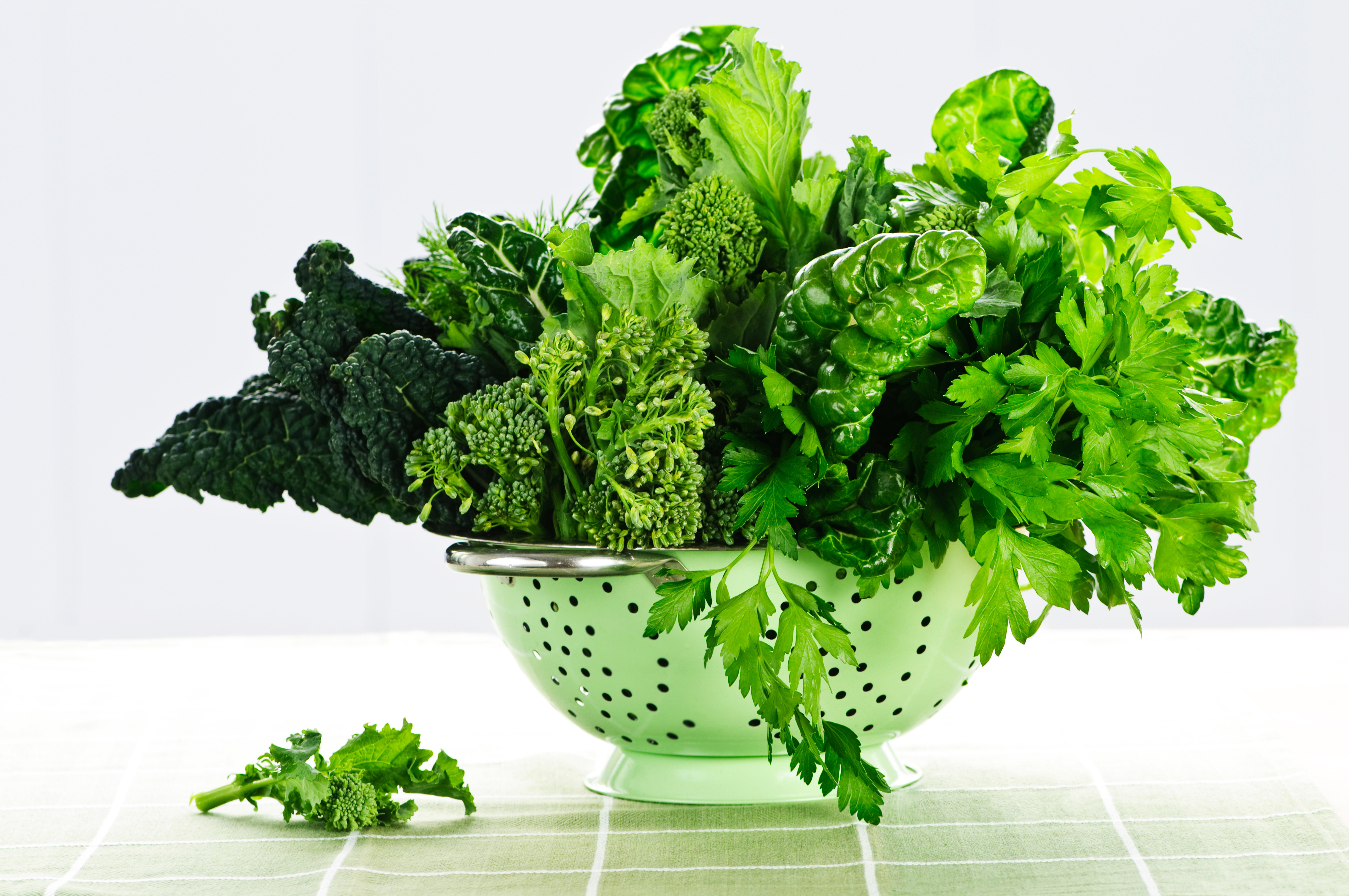
Dark leafy vegetables such as spinach, kale and silverbeet contain lutein and zeaxanthin. These are natural plant pigments that are also found in the eye.
Other green options include:
- Broccoli
- Green peas
- Watercress
- Brussels sprouts
- Lettuce
- Pūhā (sow thistle)
You do not need to eat a plain bowl of greens every day. Try adding baby spinach to scrambled eggs, silverbeet to a curry, broccoli to a stir-fry or peas to your evening meal.
Fresh vegetables are great, but frozen vegetables are also convenient and can make it easier to include greens throughout the week.
Orange and Yellow Fruit and Vegetables
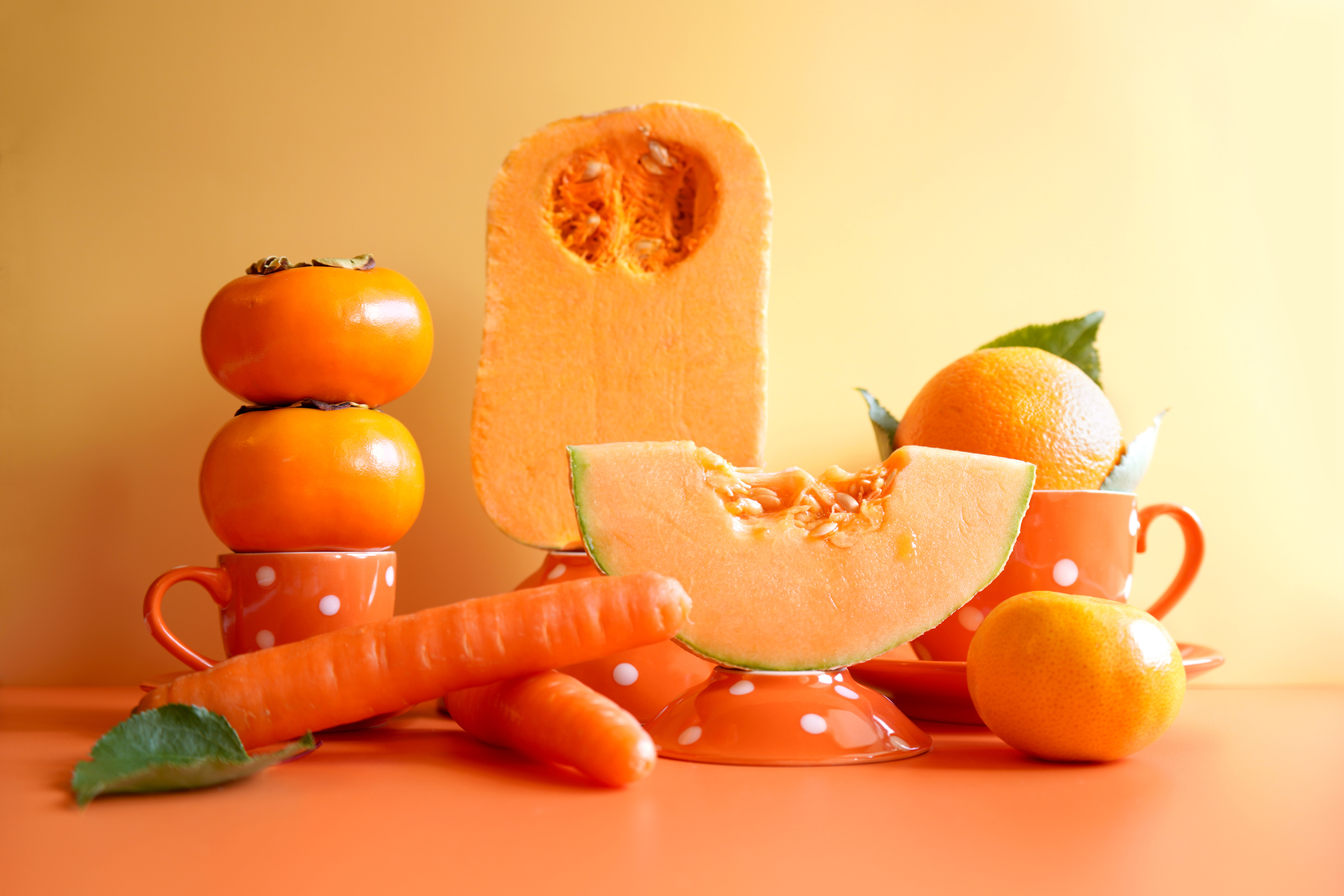
Carrots have a long-standing reputation for being good for your eyes. While they will not give you perfect night vision or replace your prescription lenses, they can still form part of a nutritious diet.
Carrots, kūmara, pumpkin and other orange or yellow produce contain beta-carotene, which the body can convert into vitamin A. Vitamin A is needed for normal vision and supports the health of the eye’s surface.
Try including:
- Grated carrot in salads or sandwiches
- Roasted kūmara with dinner
- Pumpkin in soups or curries
- Eggs with spinach for breakfast
- Dried apricots as an occasional snack
The goal is not to eat large quantities of one food. It is better to include a variety of colourful produce regularly.
Vitamin C-Rich Foods
Oranges may be the most well-known source of vitamin C, but they are far from the only option.
Foods containing vitamin C include:
- Kiwifruit
- Mandarins and oranges
- Strawberries
- Tomatoes
- Capsicum
- Broccoli
- Cauliflower
- Brussels sprouts
Keep fresh fruit somewhere visible, include vegetables with lunch and dinner, and switch between different colours throughout the week.
Most people can obtain enough vitamin C through a healthy, balanced diet, rather than relying on high-dose supplements.
Nuts, Seeds and Healthy Fats
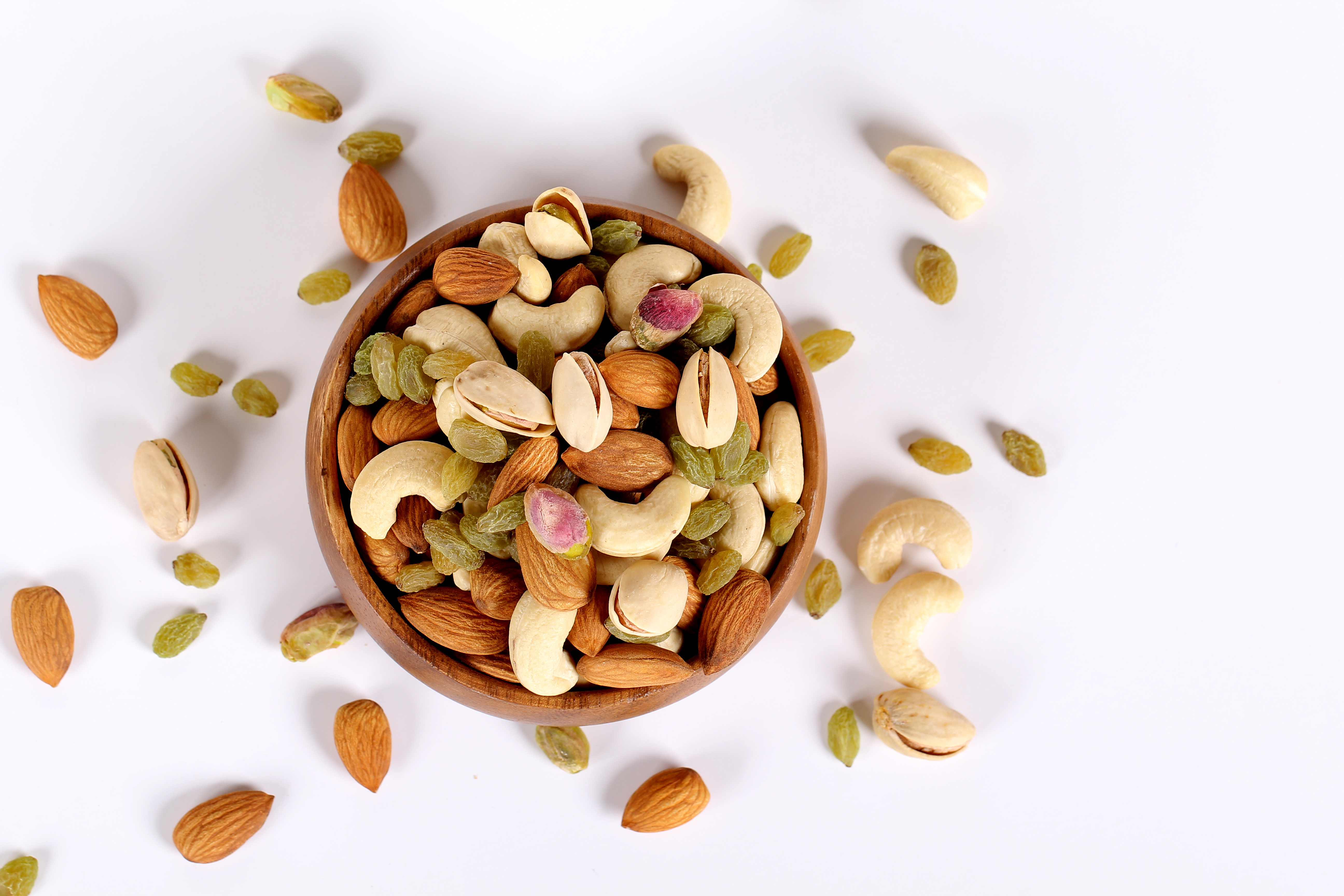
Nuts, seeds, avocado and olive oil provide healthy fats as well as a range of vitamins and minerals.
Easy ways to include them are:
- Adding walnuts to porridge
- Sprinkling pumpkin seeds over a salad
- Snacking on a small handful of unsalted almonds
- Spreading avocado on wholegrain toast
- Adding chia seeds to yoghurt or overnight oats
- Using hummus or nut butter instead of butter
Healthify recommends choosing healthy fats such as avocado, nuts, seeds, oily fish and olive oil as part of a balanced eating pattern.
Fish and Omega-3 Fats
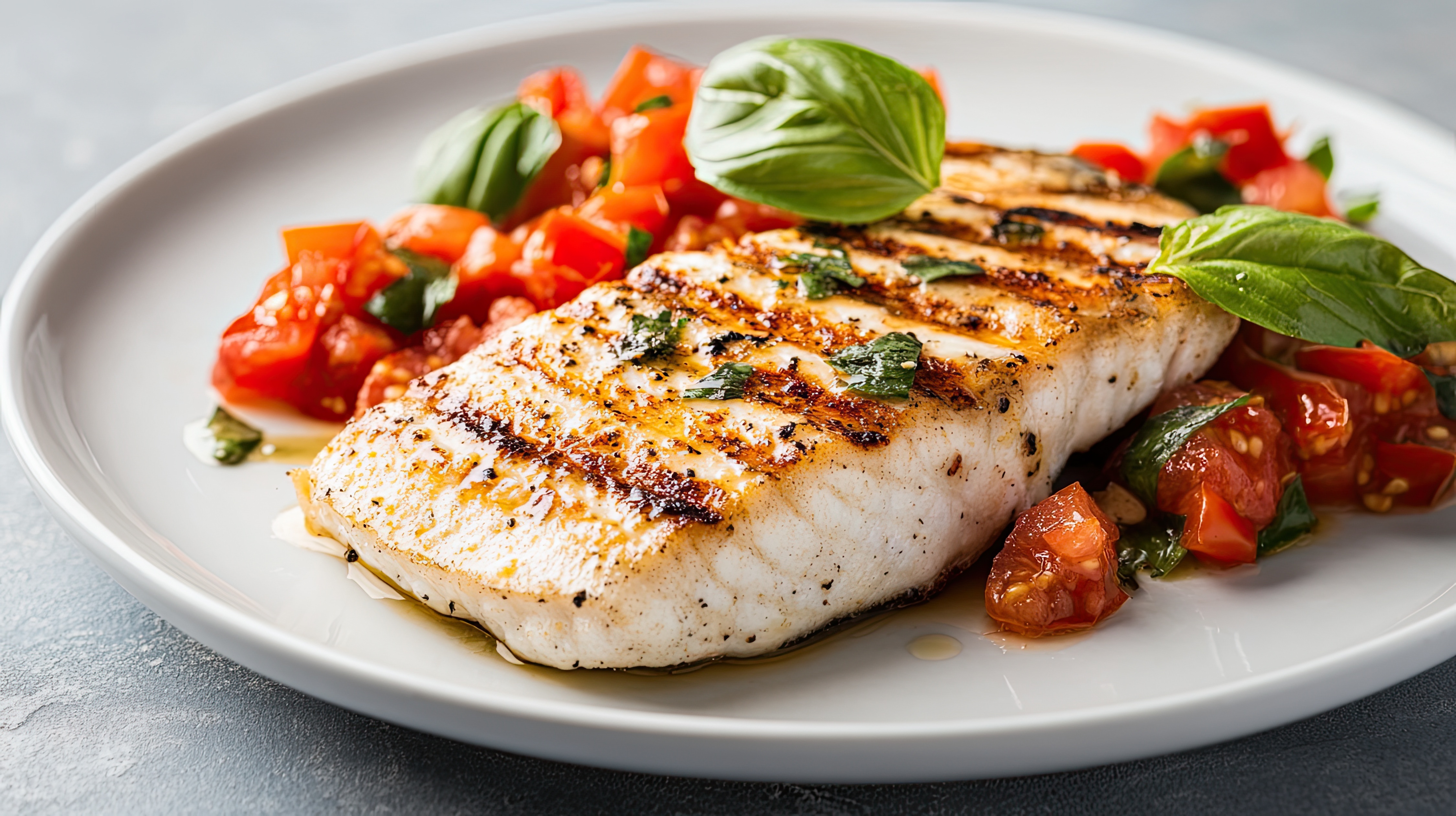
Omega-3 fats are found in many cells throughout the body, including cells in the eyes.
Food sources of omega-3 include:
- Salmon
- Sardines
- Mackerel
- Kahawai
- Tuna
- Chia seeds
- Flaxseeds
- Walnuts
Try serving grilled salmon with kūmara and greens, adding canned tuna to a salad or mixing chia seeds through yoghurt.
Healthify advises that it is generally best to get omega-3 fats from food as part of a well-balanced diet rather than assuming a fish-oil supplement is necessary.
A Simple Eye-Friendly Day of Eating
Eating well does not need to involve an expensive or complicated meal plan.
Breakfast
Wholegrain toast topped with avocado and egg, or porridge with kiwifruit, chia seeds and walnuts.
Lunch
A spinach, roasted pumpkin and chickpea salad, or a tuna and vegetable wrap.
Dinner
Grilled salmon, chicken, lentils or tofu served with kūmara, broccoli and peas.
Snacks
Fresh fruit, natural yoghurt, vegetable sticks, wholegrain crackers or a small handful of nuts.
The goal is consistency rather than perfection. Small, realistic changes made regularly are often easier to maintain than completely changing your diet overnight.
What About Eye-Health Supplements?
This is where eye-health information can become confusing.
The well-known AREDS and AREDS2 studies investigated specific high-dose supplement formulas for age-related macular degeneration.
The AREDS2 formula may help reduce the risk of intermediate AMD progressing to advanced AMD in some people. However, it does not prevent AMD from developing, and the studies did not find that it prevented or slowed cataracts.
For this reason, an AREDS2 supplement should not be treated like an everyday multivitamin.
Speak with an optometrist, ophthalmologist, GP or pharmacist before taking high-dose vitamins or minerals. Supplements may interact with medications, provide excessive amounts of certain nutrients or be unsuitable for your individual health needs.
Healthify advises that vitamin and mineral supplements are not a substitute for a balanced diet.
For most people, nutritious food should be the starting point unless a qualified healthcare professional recommends otherwise.
Healthy Vision Takes More Than Healthy Food
Eating well is only one part of looking after your eyes. Your everyday habits matter too.
Keep Your Eye Examinations Up to Date
Some eye conditions develop gradually and may not cause obvious symptoms during their early stages.
Healthify advises that adults should generally have an eye examination every two years. Your optometrist may recommend more frequent appointments depending on your age, prescription, family history, general health or existing eye conditions.
Book an appointment sooner if you notice:
- A sudden change in your vision
- New blurred or distorted vision
- Flashes or an increase in floaters
- Eye pain
- Persistent redness
- Unusual sensitivity to light
Regular examinations can help identify changes before they begin significantly affecting your everyday vision.
Protect Your Eyes From New Zealand UV
Healthy food cannot protect your eyes from direct ultraviolet exposure.
Aotearoa New Zealand experiences high levels of UV radiation, and protection may still be necessary on cloudy or cooler days.
SunSmart recommends wearing close-fitting, wraparound sunglasses that meet the AS/NZS 1067:2016 sunglass standard. Combining sunglasses with a broad-brimmed hat provides additional protection for your eyes and the delicate skin surrounding them.
Sun protection is recommended whenever the UV Index reaches 3 or above.
Remember that darker lenses do not automatically provide better UV protection. Check the product label or ask the retailer whether the sunglasses meet the appropriate standard.
Avoid Smoking
Smoking can increase the risk of several eye conditions, including macular degeneration and cataracts.
Stopping smoking is one of the most valuable changes you can make for your eye health as well as your general wellbeing.
Do Not Ignore Contact Lens Discomfort
Contact lenses should feel comfortable. Pain, persistent redness or unusual irritation should never be treated as a normal part of wearing them.
Remove your lenses immediately if they are damaged or if your eye becomes red and sore. Do not continue wearing them in the hope that the discomfort will disappear.
Contact your optometrist promptly if you experience:
- Eye pain
- Persistent redness
- Discharge
- Sensitivity to light
- Sudden blurred vision
- Ongoing irritation
Healthify also recommends visiting your optometrist regularly—often once a year for contact lens wearers—to check that your prescription, lens fit and eye health remain suitable.
Ask your optometrist before using lubricating drops, as not every eye-drop product is suitable for use with contact lenses.
Give Your Eyes Long-Term Support
There is no magic food, vitamin or supplement that can guarantee perfect vision.
The best approach is to build a combination of healthy habits: eat a varied diet, include plenty of colourful produce, protect your eyes from UV, avoid smoking and attend regular eye examinations.
At Quicklens New Zealand, we believe convenient contact lens ordering should always go hand in hand with responsible eye care.
Keep your contact lens prescription current, follow the replacement schedule recommended by your optometrist and never ignore a sudden change in your vision or eye comfort.