6 Simple Ways to Help Treat Dry Eyes in New Zealand

Dry eyes are a common issue for many New Zealanders. It can happen once in a while or become something that keeps coming back. Whether it’s your first time dealing with dry, gritty eyes or something you experience often, there are simple steps you can take to help relieve your symptoms.
Here are six easy ways to help manage dry eyes at home.
What Is Dry Eye?
Your eyes need a healthy level of moisture to stay comfortable and protected. Every time you blink, your eyelids work a bit like windscreen wipers. They help clear away dust and debris while spreading tears across the surface of your eyes.
Dry eye happens when your eyes do not produce enough tears, or when your tears evaporate too quickly. When this happens, your eyes can feel dry, sore, gritty, irritated or tired.
There are many reasons dry eyes can happen, including screen use, age, certain medications, health conditions, contact lens wear, wind, air conditioning or dry indoor environments. Whatever the cause, there are a few simple things that may help.
1. Use Lubricating Eye Drops

For mild dry eye symptoms, lubricating eye drops, also known as artificial tears, can be a helpful first step. These are available from most New Zealand pharmacies and can often be used without needing a prescription.
Preservative-free eye drops are usually a good option, especially if you need to use drops regularly. These often come in small single-use vials.
Some thicker eye drops or gels can provide longer-lasting relief, but they may blur your vision for a short time. Because of this, they are often best used before bed.
2. Choose Contact Lenses That Suit Dry Eyes

If you wear contact lenses, the type of lenses you use can make a big difference. Some lenses may feel drier than others, especially if you wear them for long hours.
Soft Contact Lenses
Soft contact lenses are generally more comfortable for people who experience dryness. They are made from flexible materials that allow oxygen to reach the eye and help support comfort throughout the day.
Silicone Hydrogel Lenses
Silicone hydrogel lenses are designed to let more oxygen reach the eye, helping them feel breathable and comfortable throughout the day. They can be a good option for people who wear their lenses for longer periods, as the added oxygen flow supports overall eye comfort.
For dry eyes, low-water-content contact lenses may also be recommended. Because they contain less water, they tend to draw less moisture from the eye’s natural tear film, which can help the eyes feel hydrated for longer. Combined with the breathability of silicone hydrogel, this lens type may offer a more comfortable option for people prone to dryness.
Daily Disposable Lenses
Daily disposable contact lenses can also be a great option for dry eyes. Because you start each day with a fresh pair, there is less build-up from dust, protein or deposits compared with weekly or monthly lenses.
If your contact lenses are making your eyes feel dry or irritated, it’s best to speak with your optometrist about which lenses may suit you better.
3. Add More Omega-3 Fatty Acids

Dry eye can sometimes be linked with inflammation around the eyes. Omega-3 fatty acids may help support eye comfort and tear quality.
You can find omega-3 in foods such as:
- Salmon, sardines and other oily fish
- Chia seeds
- Flaxseeds
- Walnuts
- Omega-3 enriched eggs
Some people also choose omega-3 supplements such as fish oil, but it’s a good idea to check with a healthcare professional first, especially if you take medication or have any health conditions.
4. Blink More and Take Screen Breaks

When you blink, your tears spread across your eyes and keep them feeling comfortable. But when you’re using a computer, phone, tablet or watching TV, you tend to blink less often.
That’s why dry eyes can feel worse after a long day at work or too much screen time.
A simple trick is the 20-20-20 rule: every 20 minutes, look at something about 20 feet away for 20 seconds. It also helps to remind yourself to blink fully and often.
5. Try a Warm Compress and Gentle Eyelid Massage
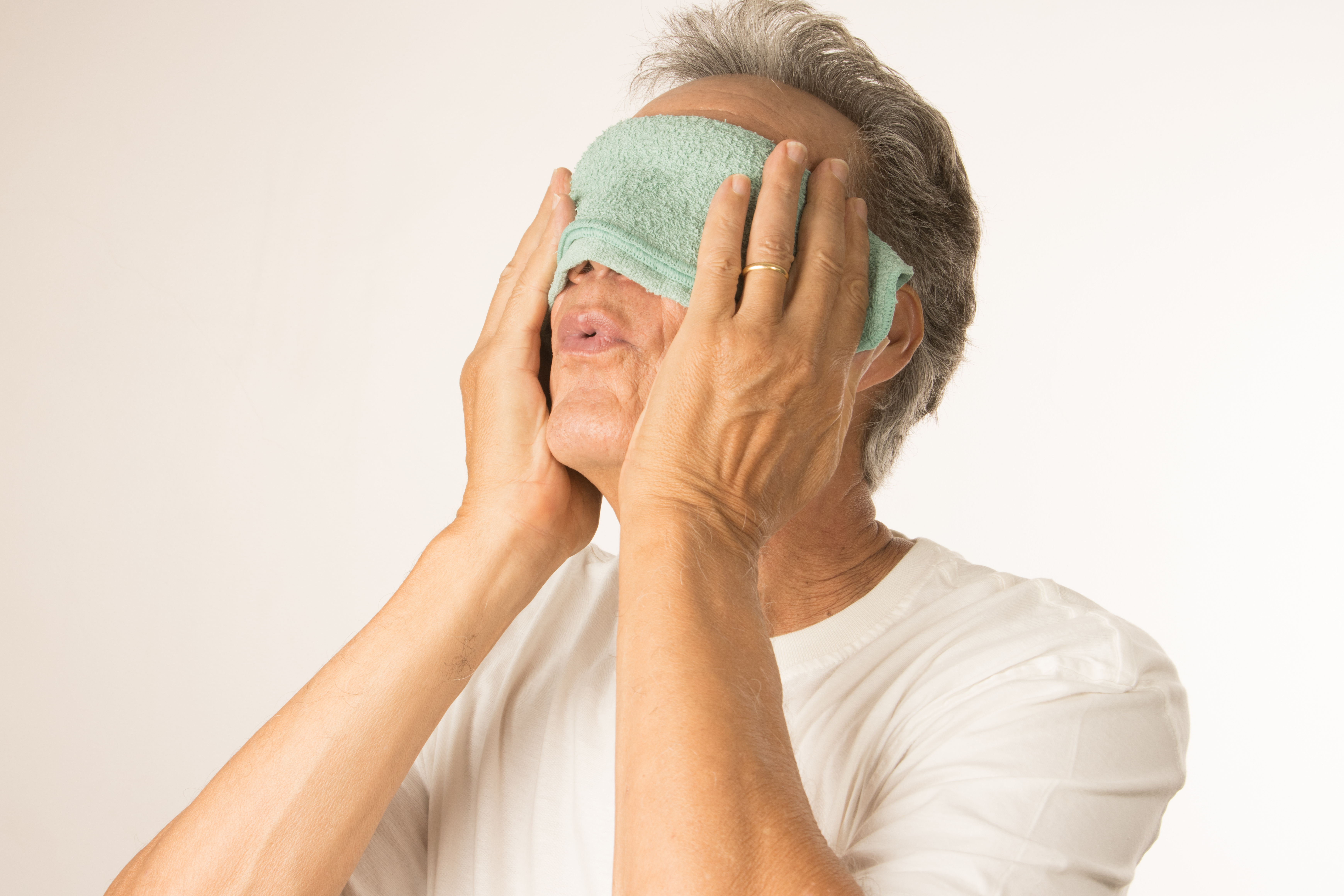
Warmth can help loosen oils in the tiny glands around your eyelids. These oils are important because they help stop your tears from evaporating too quickly.
To try a warm compress :
- Use a clean cloth or eye mask.
- Warm it with clean warm water.
- Place it over your closed eyelids for a few minutes.
- Make sure it is warm, not hot.
You can also gently massage your eyelids after using a warm compress. Be careful not to press too hard or rub your eyes aggressively, as this can make irritation worse.
6. Avoid Dry Eye Triggers
Your environment can have a big impact on your eyes. Wind, sun, air conditioning, heating and smoke can all make dry eyes worse.
To help reduce irritation:
- Wear sunglasses outdoors, especially on windy or sunny days.
- Avoid direct airflow from fans, heaters or air conditioning.
- Use a humidifier if your home or office feels very dry.
- Avoid cigarette smoke and vaping smoke.
- Take breaks from screens when you can.
When Should You See an Optometrist?
Most mild dry eye symptoms can improve with simple care at home. However, you should see an optometrist or eye care professional if your symptoms are severe, painful, keep coming back, or affect your vision.
Dry eyes can sometimes be linked to other eye conditions, so it’s always best to get checked if you’re unsure.
With the right care, small changes can make a big difference to how your eyes feel day to day.