What Is BC in Contact Lenses? Essential Basics You Should Know
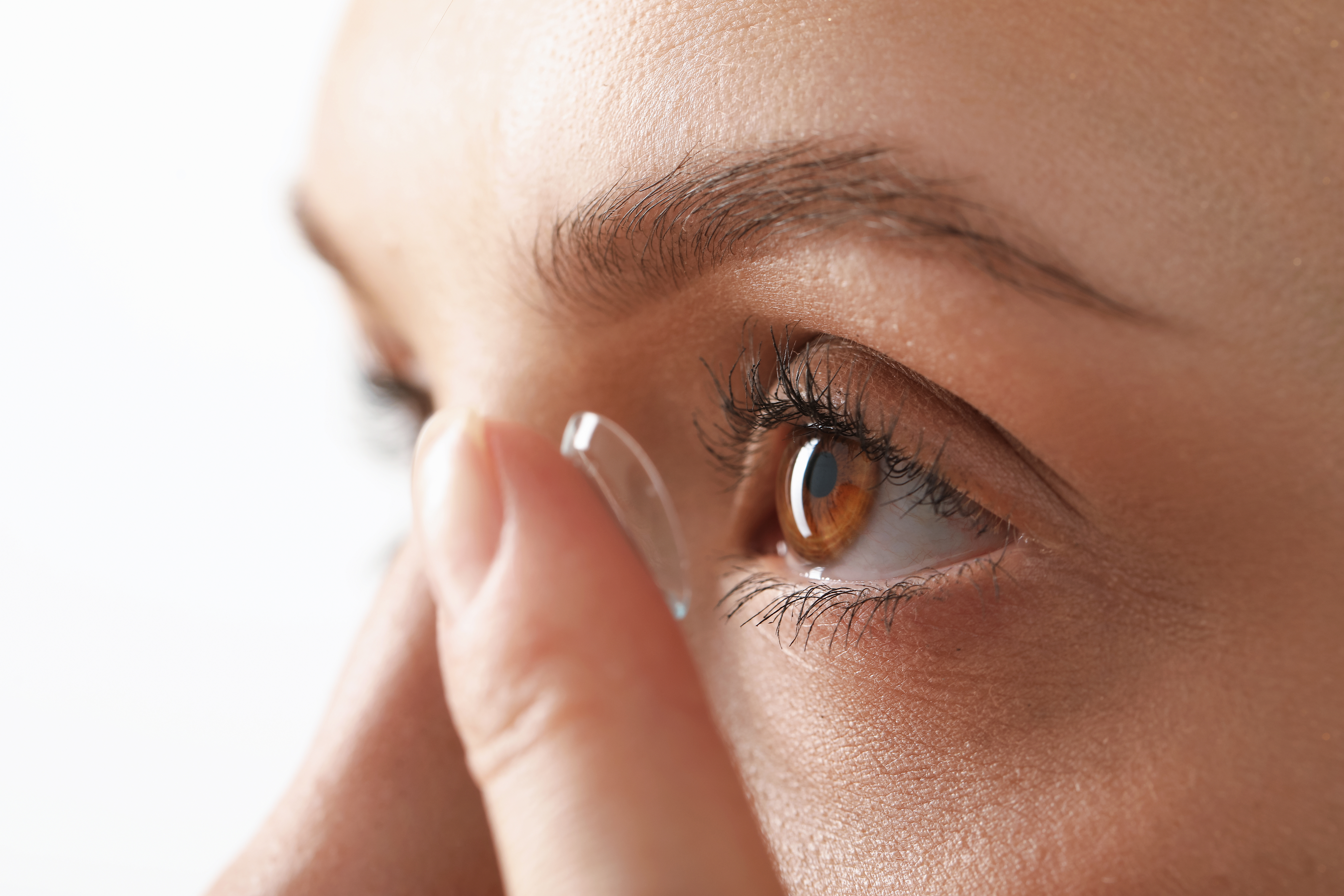
When ordering contact lenses, you’ll need to enter several key parameters, such as PWR, BC, and DIA. For toric lenses that correct astigmatism, you’ll also need CYL and AXIS, and multifocal lenses require an ADD value. Of all these measurements, the BC (Base Curve) is particularly important, as it affects both comfort and how clearly you see. But how do you know if your lenses have the right BC for your eyes?
In this article, we’ll break down what BC is, what can happen if it doesn’t fit properly, and which contact lens options are recommended for different base curves.
What Is BC in Contact Lenses?
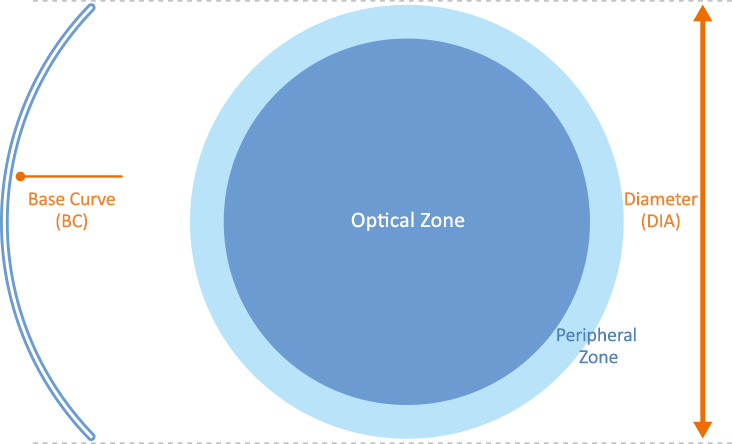
In contact lenses, BC stands for Base Curve. It indicates the curvature of the lens and is expressed in millimetres, such as “8.3 mm” or “8.5 mm.”
The surface of the eye is curved, but the degree of curvature varies from person to person. Therefore, the base curve is extremely important in choosing lenses that fit your eyes properly.
About BC (Base Curve) Values
The BC (Base Curve) value indicates the curvature of a contact lens. A larger BC number means a flatter curve, while a smaller BC number means a steeper curve.
For disposable contact lenses, most products have a BC of approximately 8.3mm - 9.0 mm. Since many brands offer multiple BC options, choosing a base curve that fits your eyes properly can improve comfort and overall fit.
Where to Find the BC (Base Curve) Information
The BC value is printed on the outer box or packaging of the product. Look for “BC” or “B.C.” on the label.
The number of available BC options varies by product - some lenses come in only one BC, while others offer several choices. When purchasing contact lenses, be sure to carefully check the listed BC value.
What Happens If Your Base Curve (BC) Doesn’t Fit?
Wearing lenses with the wrong BC can cause different types of discomfort. Let’s take a closer look at what happens when the BC is too tight versus too loose.
Symptoms When the BC (Base Curve) Is Too Steep
- Red Eyes (Eye Congestion)
A steep BC can make the lens press too tightly against the eye, causing redness. This not only affects appearance but also puts stress on your eyes. Some people may also feel discomfort or a gritty, foreign-body sensation.
- Dry Eyes
Lenses are normally supported by the tear film. If the BC is too steep, the tear flow can be blocked, preventing moisture from reaching the cornea. This can lead to dry eyes.
- Lens Sticking to the Eye
When a lens presses too tightly, it may stick to the eye. Trying to remove it in this state can be difficult and stressful on the eye. If the eyes are dry, removing the lens becomes even harder.
- Corneal Damage
Dryness and lens sticking can potentially scratch the cornea. While the outer layer of the cornea can heal itself, daily use of a lens with too steep a BC may prevent proper recovery. Corneal damage can lead to eye fatigue, blurred vision, and even increase the risk of other eye diseases.
Symptoms When the BC (Base Curve) Is Too Flat
- Lens Shifts Easily
Lenses with a flat BC tend to move around more on the eye. This can cause discomfort, a gritty or foreign-body sensation, and require frequent adjustments. Frequent handling is inconvenient and can also be unhygienic. In some cases, the lens may even slip off the eye.
- Itchy Eyes
When the lens shifts, it can cause itching. Rubbing your eyes to relieve the itch may lead to redness, discharge, and even corneal scratches or an increased risk of eye infections.
How to Find Out Your Own BC (Base Curve)
Since BC (Base Curve) cannot be measured at home, it’s important to know your correct BC to avoid potential problems from wearing lenses that don’t fit properly. You can do this either by visiting an eye doctor or checking the lenses you already use.
Visit an Eye Doctor
If you’ve never worn contact lenses before, an eye doctor can measure your BC. A special device called an autorefractor-keratometer measures the curvature of your eye’s surface. Keep in mind that not all clinics measure BC, so it’s a good idea to confirm by phone or on their website before your visit.
Check Your Current Lenses
If you’re already using contact lenses, you can check the BC on the packaging. Look for “BC” or “B.C.” printed on the box or lens case. For more details on reading lens data, you can also refer to dedicated guides or websites provided by lens manufacturers.

Using contact lenses with the wrong BC (Base Curve) can potentially cause various eye problems. That’s why choosing lenses that match your BC is not only important for comfortable wear but also essential for protecting your eye health. Along with your daily eye care, make sure to select lenses with the correct BC.