Expired Contact Lenses: Are They Safe to Wear or a Risk to Your Eyes?
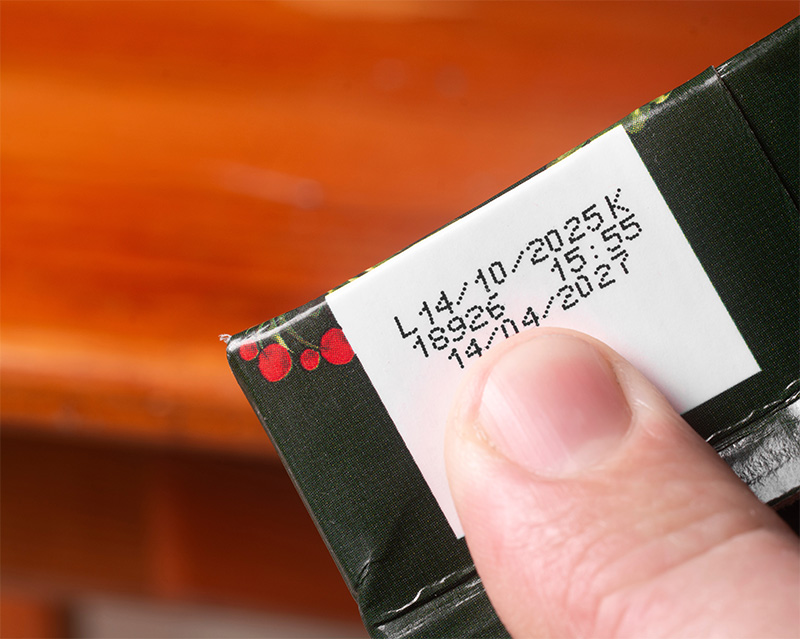
Imagine going in for a routine eye procedure and discovering multiple contact lenses hidden under your eyelid. While extreme cases like this are rare, they highlight a much more common issue many contact lens wearers face: using lenses past their expiry date.
In New Zealand, plenty of people admit to stretching their contacts just a bit longer than recommended. After all, contact lenses can be expensive, and it’s tempting to make them last. But when it comes to your eyes, that “extra wear” can come with serious risks.
So what actually happens when contact lenses expire, and is it really dangerous?
Why Do Contact Lenses Have Expiry Dates?
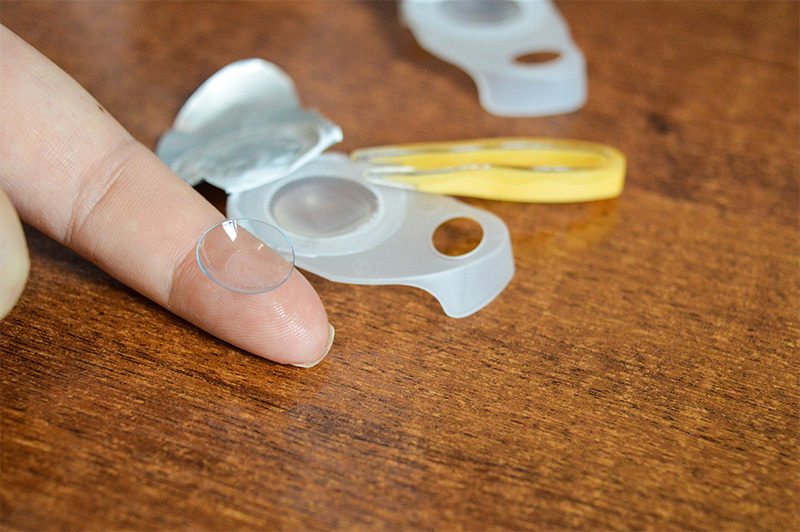
Contrary to popular belief, contact lenses don’t expire because the lens itself suddenly goes bad. The real issue is sterility.
During manufacturing, contact lenses are kept completely sterile before being sealed in a saline-filled blister pack. That airtight seal is what keeps bacteria and fungi out and your lenses safe to wear.
Over time, however, that seal can weaken.
A Quick Look at Contact Lens Packaging
Years ago, contact lenses were stored in glass vials. While effective, they were bulky, expensive, and prone to breaking. Today, plastic blister packs are used instead. They’re lightweight, cost-effective, and highly reliable — but not forever.
Most contact lens packaging is designed to maintain sterility for around four years. After that, the seal may begin to degrade.
What Happens When Contacts Expire?
Once the seal is compromised, even slightly, oxygen and microorganisms can enter the packaging. Your eyes are extremely sensitive and highly absorbent, making them especially vulnerable to infection.
If bacteria or fungi begin to grow on a lens and you place it directly onto your eye, you’re essentially transferring those microorganisms straight onto the surface of your eye.
Are Expired Contact Lenses Really Dangerous?
In short: yes.
Certain bacteria, such as Pseudomonas aeruginosa, can grow on contact lenses. This bacteria is fast-acting and can cause severe corneal infections. In extreme cases, it can lead to permanent vision loss if not treated immediately.
The Risk of Fungal Infections
Expired lenses also increase the risk of fungal eye infections. Saline solution keeps lenses moist but does not disinfect them. If fungal spores enter through a weakened seal, they can multiply unnoticed.
Once that lens is worn, the fungus can begin to grow on the eye itself — a condition that can be difficult and time-consuming to treat.
Why Checking Expiry Dates Matters
Even brand-new contact lenses carry a small risk of infection if they’re not handled or cleaned properly. Wearing expired lenses significantly increases that risk.
Contact lenses are a remarkable piece of medical technology, sitting directly on one of the most delicate parts of your body. Saving a few dollars by wearing expired lenses simply isn’t worth the potential damage to your eyesight.
If you ever find yourself out of lenses, it’s far safer to switch to your glasses until you can replace them.
Why People Wear Expired Contacts (and What to Do Instead)
Most people don’t wear expired lenses because they don’t care about their eyes. The reasons are usually practical:
- Difficulty getting a timely optometrist appointment
- Forgetting to reorder
- Cost concerns
The good news? There are easy ways to avoid all three.
Plan Ahead for Your Eye Care
Book your next eye exam as early as possible and set reminders on your phone for follow-up appointments and lens reorders. Planning ahead helps prevent last-minute situations where expired lenses feel like your only option.
How to Save Money on Contact Lenses
If cost is the main issue, you still have options:
- If your eyes are suitable, choose fortnightly or monthly lenses instead of daily disposables, as they are generally more cost-effective over time
- Compare prices within the same lens category to ensure you are getting the best value. The Quicklens Qieto range offers high-quality lenses at a more budget-friendly price
- Make the most of promotions and special offers by regularly checking the Quicklens Offers page. You can also subscribe to our newsletter or follow us on Instagram or Facebook to stay updated on the latest deals and upcoming promotions.
- Order from a trusted online retailer like Quicklens to get the same genuine lenses prescribed by your optometrist, often at significantly lower prices than in store
Keep up with regular eye exams to maintain eye health, but remember you are not required to purchase your lenses directly from the clinic
The Bottom Line
If you come across expired contact lenses, the safest option is simple: throw them out.
Your vision isn’t something you can replace. A small saving isn’t worth risking infection, discomfort, or long-term eye damage. With affordable, convenient options available online in New Zealand, there’s no need to take the risk.
Your eyes will thank you.