Are Your Contact Lenses Letting Your Eyes Breathe?
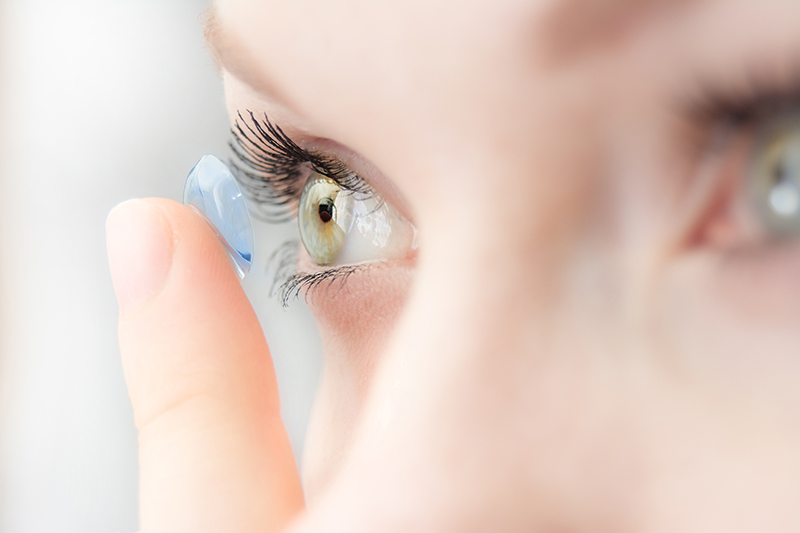
When you choose a contact lens, you might compare daily, fortnightly, or monthly disposables, or wonder whether to go for hard or soft lenses, tinted or transitions. Yet one of the most crucial factors often overlooked is breathability, how well a lens lets oxygen flow to your cornea. At Quicklens NZ, we believe lens “breathing” is central to both comfort and long-term eye health.
How the Cornea Absorbs Oxygen
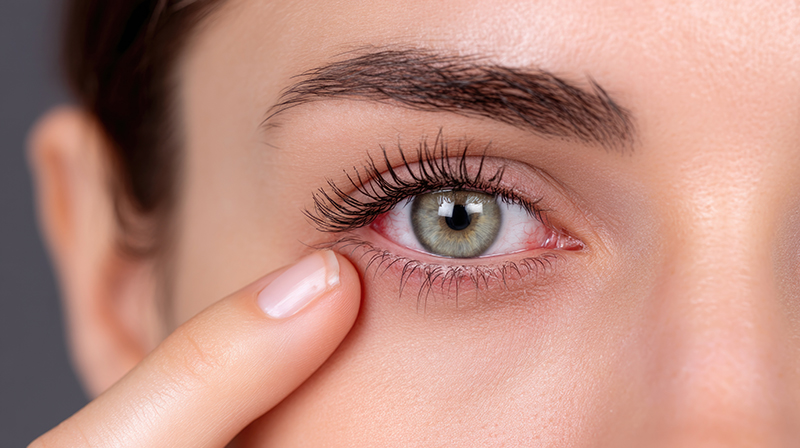
Your cornea, the transparent front surface of the eye, doesn’t have blood vessels. Instead, it relies on oxygen dissolved in your tears to stay nourished and healthy. When a contact lens sits over the cornea, it can either facilitate that gas exchange or hinder it. If oxygen flow is blocked or reduced, the cornea may swell (edema), turn cloudy, change shape, or even develop ingrowth of blood vessels (neovascularisation). Over time, this can lead to scarring, discomfort, and diminished vision.
Comparing Lens Types and Oxygen Delivery
Not all lenses deliver oxygen equally. Older soft hydrogel lenses rely entirely on their water content to diffuse oxygen; the more water the lens holds, the more oxygen can pass—but even then the amount is limited. Modern silicone hydrogel lenses, however, are far more efficient at transmitting oxygen. Many lenses today allow four to five times more oxygen flow compared to conventional hydrogels, meaning less risk of hypoxia, dryness, swelling, and eye irritation. Because of that, silicone hydrogel has become the preferred material for safe, breathable lenses.
Understanding Dk and Dk/L: Oxygen Permeability in Contact Lenses
Adequate oxygen supply to the cornea is essential for maintaining healthy eyes, making oxygen permeability a key factor when choosing contact lenses. This property is commonly expressed using two related measurements: Dk and Dk/L (also written as Dk/t).
Dk represents the oxygen permeability coefficient — a measure of how easily oxygen can pass through the lens material. Higher Dk values indicate better oxygen transmission.
Dk/L (or Dk/t) is calculated by dividing the Dk value by the thickness of the contact lens, representing the overall oxygen permeability of the lens when worn.
Generally, a Dk/L value of 24.1 or higher is considered sufficient for all-day wear, as it allows enough oxygen to reach the cornea. While higher values tend to reduce corneal stress and improve comfort, the actual oxygen supply can vary depending on factors such as wear time, lens design, and individual eye conditions.
Therefore, while oxygen permeability is an important guideline when selecting contact lenses, the best choice ultimately depends on personal eye health and lifestyle. Consulting with an eye care professional ensures the lenses you choose provide both optimal comfort and corneal health.
Popular High Breathability Lenses at Quicklens New Zealand
At Quicklens NZ, we stock a variety of high-oxygen silicone hydrogel lenses.
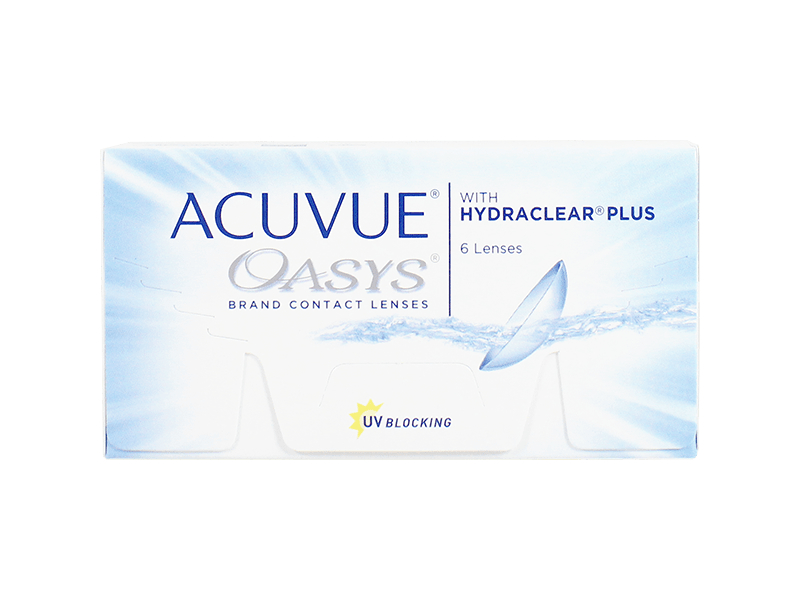
Acuvue Oasys (6 Pack) (Dk/L: 147) uses HYDRACLEAR PLUS technology and is widely loved for its comfort and moisture retention.
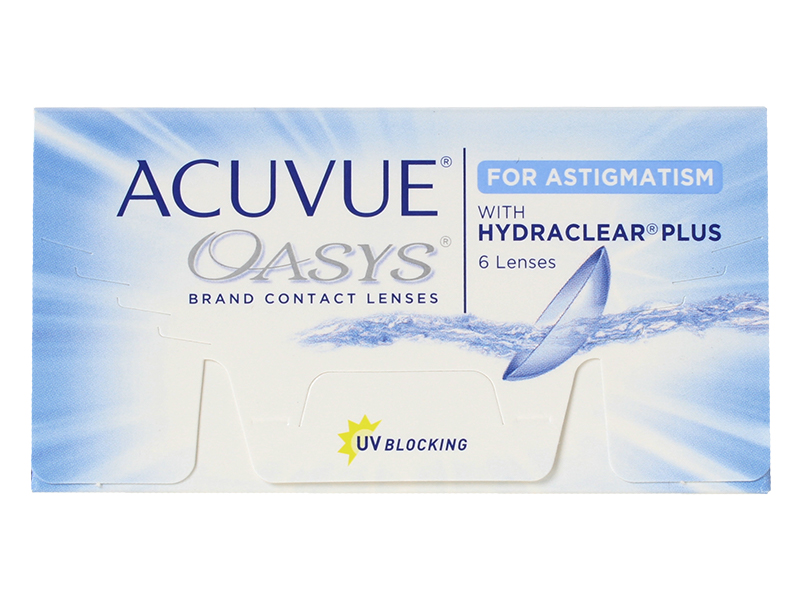
For those with astigmatism Acuvue Oasys for Astigmatism (6 Pack) (Dk/L: 129) is also available.
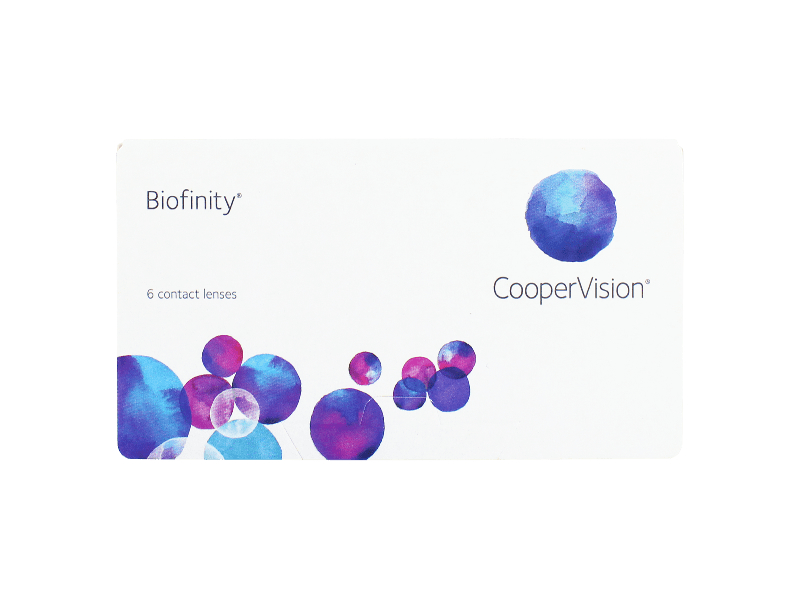
Another popular option is Biofinity (6 Pack) (Dk/L: 160), which offers extended wear performance while maintaining high oxygen permeability.
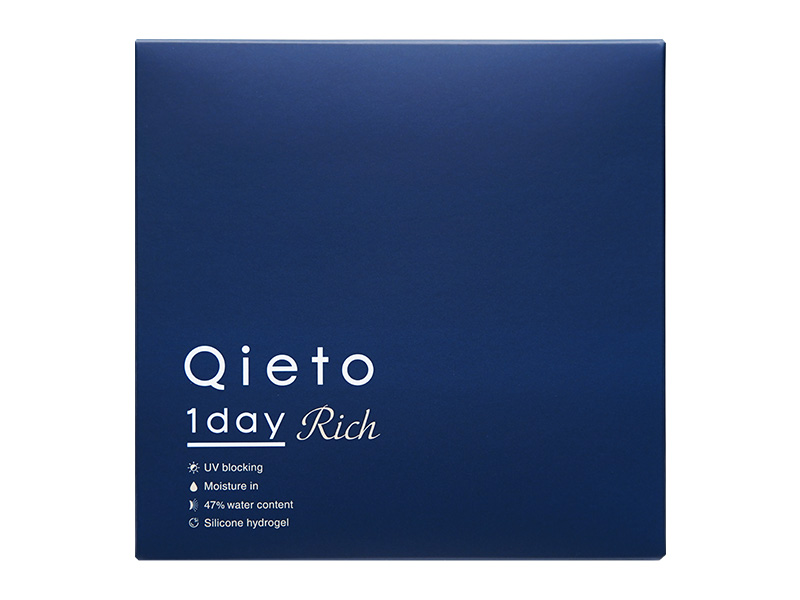
For daily disposable wearers, Qieto1day Rich (30 Pack) (Dk/L: 166) which provides all-day comfort and breathability.
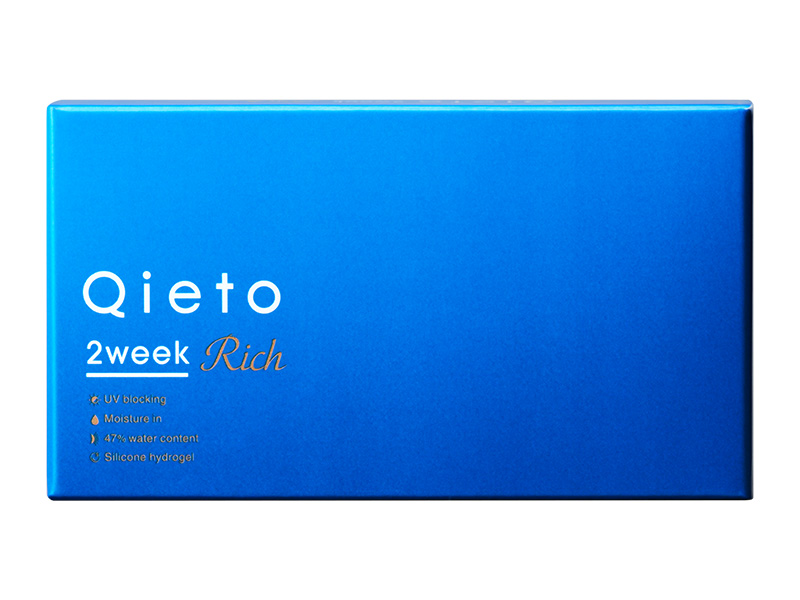
For those who prefer two-week lenses, Qieto2week Rich (6 Pack) (Dk/L: 148) offers 14 days of lasting comfort, moisture, and oxygen permeability. Both Qieto products are exclusive to our group of companies and offer excellent quality at affordable prices.
*Dk/L values are measurement values at -3.00D as published by each manufacturer.
Benefits and Considerations of Silicone Hydrogel Lenses

Switching to a more breathable lens can reduce dryness, lower your risk of swelling or irritation, and improve your comfort—especially on long days, in air-conditioned environments, or while using digital screens. That said, silicone hydrogel lenses may cost more than conventional lenses, and you might experience a brief adaptation period because they are slightly firmer. Always check with your optometrist if your eyes are suitable for a particular lens type.
Tips for Safe Lens Wear in New Zealand
To wear lenses safely in New Zealand, stick to your prescribed schedule (don’t over-wear), use the recommended cleaning systems, remove your lenses if your eyes become red, sore, or blurred, and keep up with regular eye exams. At Quicklens NZ, we aim to deliver breathable, safe, and comfortable lenses with reliable NZ delivery times. But regardless of brand, the best lens is the one your eyes tolerate well—so consult your eye care professional before making the switch.
Want to learn more tips for contact lens care? Browse our resources for expert advice on keeping your lenses and eyes in top condition.